A l’échelle de notre histoire, le Pakistan, qui signifie "Pays des Purs", est un Etat jeune. Il a en effet été créé en 1947 pour que les musulmans de l’Inde britannique aient leur propre pays, indépendant du "British Raj". La création de l’Etat du Pakistan s’est faite sous l’égide de Muhammad Ali Jinnah, surnommé Qaïd-i-Azam (le Grand Guide).
La civilisation de l’Indus
La région la plus peuplée du Pakistan se trouve autour du fleuve de l’Indus et de ses affluents qui forment le "Pays des cinq rivières", le Pendjab. Si le climat du pays est assez humide l’hiver, il est très chaud et sec en été, comme celui du désert arabe. D’ailleurs, du point de vue scientifique, la région du bas Indus est un désert.
Toutefois, l’Indus et ses rivières apportent des eaux abondantes descendues de l’Himalaya. De fait, les zones peuplées du Pakistan constituent la plus grande oasis du monde !
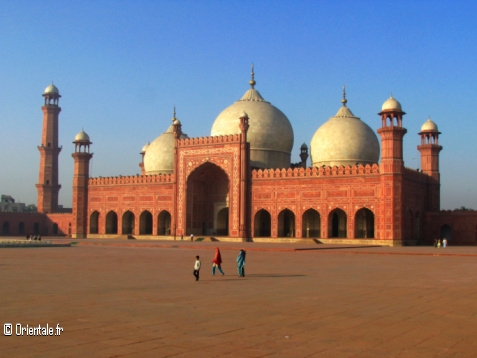
Lahore est l’ancienne capitale du Pakistan. L’origine de son nom est ourdoue et elle a connu son apogée durant l’empire Moghol au XVIe (16e) siècle. C’est aujourd’hui la plus grande ville culturelle du Pakistan, où se trouvent les monuments les plus prestigieux.
Cependant, sa proximité de la frontière indienne l’a empêchée de devenir la capitale du Pakistan ; c’est donc la ville nouvelle Islamabad qui remplit cette fonction depuis 1967. Karachi, établie sur la mer d’Oman est le port du Pakistan et le premier centre industriel du pays.
L’identité nationale
Le Pakistan a été créé à l’initiative des leaders d’un parti politique indépendantiste, la Ligue musulmane. Malgré l’unité religieuse du pays, il existe de fortes rivalités entre les ethnies du Pakistan. Ainsi les Pandjabis, qui parlent l’ourdou, et les Bengalis, qui parlent le bengali, se sont souvent disputé le pouvoir. Bien que depuis 1954, l’ourdou et le bengali sont reconnues à égalité comme les langues officielles du Pakistan, des tensions entre l’Ouest et l’Est du Pakistan perdurent.
A tel point que même le cinéma national en pâtit : les films en langue ourdous sont souvent impopulaires chez les populations qui parlent le bengali... et vice versa ! Du coup, il n'est pas possible de faire un classement des films les plus populaires au Pakistan.
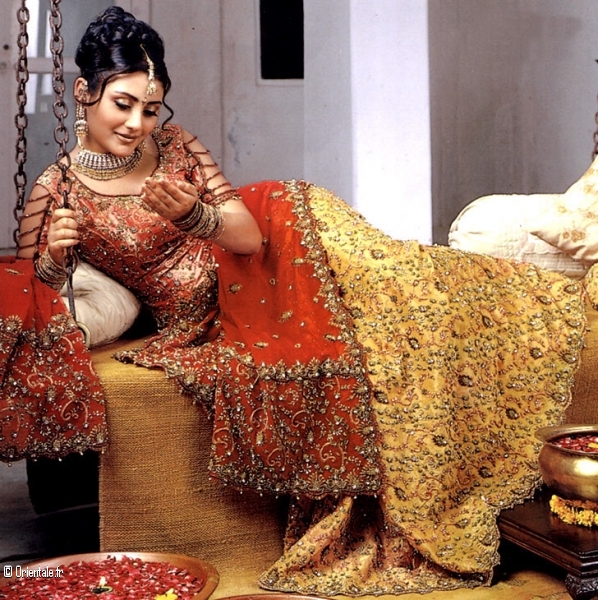
L’identité pakistanaise s’est construite par opposition à celle de ses voisins et rivaux, à savoir l’Inde et le Bangladesh. En particulier, ce qui est lié aux traditions et la culture indienne est tabou, alors que les cultures pakistanaise et indienne sont en réalité similaires. Ainsi, le sari, l’élégant vêtement dans lequel se drapent les Indiennes, qui était autrefois largement porté par les Pakistanaises, est de nos jours uniquement porté comme tenue de mariage ! Sous prétexte qu’il dévoile certaines parties du corps de la femme (comme le ventre), le président Zia (1978-1988) avait décrété que le sari était inadapté aux musulmanes. En fait, c’est aussi et surtout un vêtement emblématique de la culture indienne. Le vêtement national pakistanais, porté par les hommes comme par les femmes, est le salwar kamiz, un ensemble composé d’un pantalon ample et d’une chemise orientale.
La cuisine pakistanaise
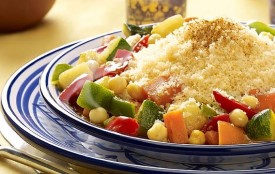
La culture culinaire pakistanaise, comme pour toutes les communautés, a été forgée par le climat et l’agriculture du Pakistan. Dans ce pays, on cultive plusieurs céréales : riz, millets et blé qui constituent la base de l'alimentation. La cuisine pakistanaise épicée et raffinée est similaire à la cuisine indienne, à cette différence que les Indiens, majoritairement hindous, ne consomment pas de viande contrairement aux Pakistanais. Comme en Inde, les ingrédients de base des recettes sont le curry (mélange d’épices), le riz, les produits laitiers comme le ghee (beurre clarifié), les dals (purées de lentilles ou de pois secs), les chutney (purées de légumes) et comme desserts la fameuse halva, la glace au safran et bien d'autres délices...

 Fil de l'actualité